
Play and Creative Arts Therapy for Children aged 4-13 in Liverpool, Merseyside
Play and Creative Arts Therapy
At Tiger Play Therapy, sessions take place in a warm and welcoming environment where your child will work through their own conflicts, challenges, and emotional experiences alongside me as their therapist. Every child will feel supported, understood, and safe, enabling them to approach deep and strong feelings.
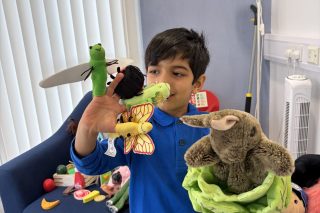
Child/Therapist Relationship
The relationship between me, as the therapist, and your child is integral in fostering empowerment and self-awareness. Using an integrative and holistic approach to therapy helps the children I work with to express their emotions freely in a non-judgmental environment. I reflect on what your child is saying or doing, giving an insight into their emotional issues.
- Play enables us to disconnect from what was said or played out, and test out new ideas without yet claiming them as our own.
- Play also connects us with our unconscious mind, those memories that we have hidden away and struggle to recall.
- During play, we can connect with these hidden memories, bringing them into the conscious world, which is easier than if we had to sit and talk about them.
- Play Therapy provides a space for children to explore their feelings and emotions, and as their therapist, I am trained to attune to and reflect the child’s feelings to help bring about change.
- Sand tray/small figures
- Clay/playdough
- Creative art/drawing, craft
- Puppets
- Dolls and nurturing toys
- Musical instruments
- Dance and movement – fans/scarves
- Doll’s house
- Role play
- Creative visualisation
- Therapeutic stories
For Children: what to expect
Play Therapy is at the same time and place each week, especially for you, where you will spend time with me doing whatever you choose to do. There are plenty of creative activities, such as clay, painting, music, dressing up, puppets, toys, and sand, as well as other things to play with.
For Parents/Carers: what to expect
For a parent or carer, noticing that your child may be going through something difficult or challenging, reaching out for support as early as possible, can make a big difference to their future. Play Therapy can help a child make sense of their feelings, thoughts, and experiences by building a therapeutic relationship, where they can feel completely free to express themselves and process big emotions.
For Schools: what to expect
Children between the ages of 4 and 13 can be referred for play therapy sessions for a wide range of difficulties and circumstances. Sessions can be held in school, at the same time and place each week if there is an appropriate room or sometimes, I can arrange to use a room in a therapy centre where children can be brought either during the school day or after school.
Tiger Play Therapy Mission Statement
T–Trust: Building a secure therapeutic relationship where the child feels safe and accepted.
Building trust is fundamental in Play Therapy. Children need to feel secure, accepted, and safe within the therapeutic space. By fostering a trusting relationship, the therapist creates an environment where the child feels comfortable exploring their thoughts and emotions without fear of judgment. This aligns with Axline’s core principle of creating a warm, permissive atmosphere (Axline, 1947).
I–Imagination: Encouraging creativity and self-expression through play and the creative arts.
Play Therapy thrives on imagination, as children naturally express themselves through creative play. Using toys, art, or storytelling allows children to explore their inner world, process experiences, and develop problem-solving skills. Techniques such as sand tray therapy and guided creative visualisation are particularly effective in this area.
G–Growth: Supporting emotional, social, and cognitive development.
Play Therapy promotes emotional, social, and cognitive growth. Through play, children learn to navigate relationships, develop self-regulation, and build confidence. Growth may emerge gradually as children test boundaries, explore feelings, and create new ways of coping.
E–Empathy: Demonstrating understanding and compassion to foster connection.
Empathy is crucial for establishing attunement between the therapist and the child. By demonstrating empathy, the therapist validates the child’s feelings, helping them feel heard and understood. This emotional connection encourages self-expression and deeper therapeutic engagement.
R–Resilience: Empowering children to develop coping strategies and emotional strength.
Play Therapy empowers children to develop resilience by equipping them with skills to manage anxiety, frustration, and emotional challenges. Through play, they can rehearse coping strategies, build confidence, and gain a sense of mastery over difficult situations.

Contact Me
Contact me or book an appointment HERE. I will get back to you to arrange a convenient time to have an initial 20-minute conversation. We can discuss your concerns, and you can complete the Strengths and Difficulties Questionnaire, a short behavioural screening tool that is used to assess if Play Therapy is a suitable intervention for your child. The next step would be for us to meet, either on a video call or in person, and further discuss your concerns, as well as learn more about your child. This Consultation usually takes about an hour.
I work with children aged between 4 and 13 years old.
Tiger Play Therapy is an LGBTQ+ affirming and inclusive space.